
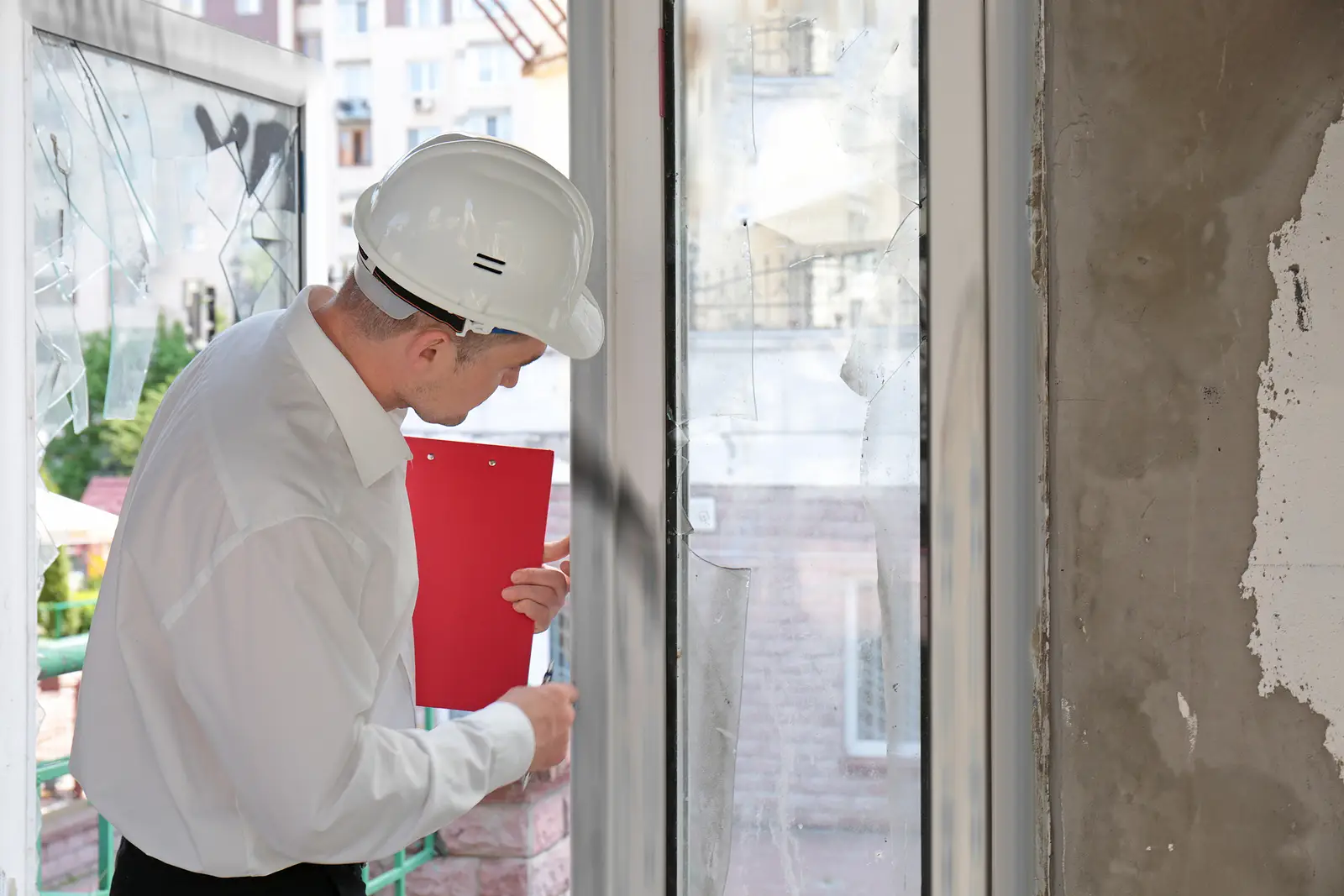
Property upgrades often look their best during the first lease cycle. As years pass and new tenants move through the home, however, some expensive improvements begin demanding more repairs, replacements, and upkeep than owners originally expected.
Recent conversations about technology-driven rental upgrades show that lasting value comes from more than appearance alone. For Austin investors, the strongest renovation choices are often the ones that continue performing well after years of daily use.
Before committing to a major remodeling project, it's worth examining which upgrades tend to maintain their value and which ones frequently become ongoing expenses.
Key Takeaways
- Durable materials often outperform luxury finishes in rental properties.
- Repeated tenant turnover can accelerate wear on expensive upgrades.
- Timeless design choices usually remain attractive longer.
- Maintenance-friendly renovations help reduce operating expenses.
- Long-term rental success depends on durability as much as appearance.
The Difference Between Looking Good and Performing Well
Many renovations are selected because they improve listing photos or increase visual appeal during showings. While presentation matters, rental ownership is ultimately a long-term business.
Austin's active rental market means properties may experience numerous occupancy cycles over the years. Every move-in, move-out, furniture relocation, and maintenance visit contributes to wear on floors, cabinets, fixtures, and finishes.
Evaluating upgrades based on longevity often produces better returns than focusing solely on aesthetics.
Hardwood Flooring Can Become Costly to Maintain
Hardwood flooring remains a desirable feature in many rental homes. Its appearance can help attract prospective tenants and elevate a property's perceived value.
The challenge emerges after years of occupancy. Furniture movement, pet activity, and daily foot traffic gradually create scratches and dents that require refinishing.
Flooring Alternatives Built for Rental Use
Luxury vinyl plank continues gaining popularity among rental owners because it offers durability without sacrificing appearance.
Advantages include:
- Greater resistance to scratches
- Easier turnover cleaning
- Lower replacement costs
- Better moisture resistance
Many investors pair durable flooring decisions with structured property maintenance services to help reduce future repair expenses.
Premium Carpet Often Requires Frequent Replacement
Soft carpeting may create a comfortable atmosphere, but rental properties place significant demands on carpeted surfaces.
Stains, odors, furniture impressions, and high-traffic areas can shorten carpet lifespan considerably. Even premium products may require replacement sooner than expected.
Looking Beyond the Purchase Price
Flooring decisions should include long-term ownership costs.
Ongoing Cleaning Expenses
Professional cleaning between tenants becomes a recurring cost.
Replacement Timelines
Carpet generally wears faster than many hard-surface alternatives.
Vacancy Delays
Replacement projects can extend turnover periods and postpone rental income.
Investors often review projected performance using a rental income assessment before making significant renovation decisions.
Custom Cabinet Finishes Can Create Future Maintenance Problems
Custom cabinetry can help a kitchen stand out, but highly specialized finishes often become difficult to maintain.
Cabinet doors, edges, and frequently touched surfaces naturally show wear over time. Matching custom colors years later may require more extensive repairs than originally anticipated.
Why Simpler Cabinet Styles Continue Delivering Value
Straightforward cabinet designs often provide greater flexibility and easier maintenance.
Benefits include:
- Faster touch-ups
- Easier repainting
- Lower repair costs
- Broader tenant appeal
Property owners focused on sustainable returns frequently prioritize practicality over customization.
Designer Fixtures Can Increase Long-Term Costs
Lighting fixtures and decorative hardware help create a unique look, yet they often introduce challenges when repairs become necessary.
Specialty fixtures may require proprietary components that become difficult to source years after installation.
According to the U.S. Energy Information Administration, lighting accounts for approximately 3.4% of electricity use in American homes. Because these fixtures operate daily, replacement needs eventually become unavoidable.
Common Challenges With Decorative Fixtures
Owners often encounter:
- Limited replacement inventory
- Higher labor expenses
- Longer repair timelines
- Difficult product matching
Standardized fixtures typically simplify maintenance and reduce future headaches.
Trend-Focused Kitchens Often Age Faster Than Expected
Kitchen renovations represent one of the largest investments many owners make. While current design trends may appear attractive today, tastes can change rapidly.
Bold color schemes, highly stylized backsplashes, and unique finishes may become dated long before the renovation reaches the end of its useful life.
Discussions surrounding easy property improvement projects often emphasize selecting upgrades that provide practical value rather than chasing short-term design trends.
Characteristics of Long-Lasting Kitchen Design
Successful rental kitchens generally share several common traits.
Neutral Finishes
Simple colors appeal to a broader range of prospective tenants.
Functional Layouts
Well-organized workspaces improve everyday usability.
Readily Available Materials
Common products simplify future repairs and replacements.
These qualities often help kitchens remain appealing through multiple tenant cycles.
Built-In Features Can Limit Future Flexibility
Built-in shelving, custom workstations, and permanent entertainment centers can seem attractive during renovation planning.
Over time, however, these features may reduce flexibility for future renters whose furniture, lifestyle, or space requirements differ.
The importance of adaptable layouts is reflected in discussions about effective floor plan design, where functionality often contributes more to tenant satisfaction than customization.
Flexible Spaces Support Broader Market Appeal
Adaptable layouts can accommodate a wide variety of lifestyles.
Flexible spaces often work well for:
- Home offices
- Exercise areas
- Family activities
- Multi-purpose living arrangements
Versatility helps properties remain attractive as renter preferences evolve.
Luxury Bathrooms Can Require Ongoing Attention
Bathrooms experience constant exposure to moisture, cleaning products, and everyday use. Certain luxury upgrades require substantial upkeep to maintain their appearance.
Frameless glass showers, premium fixtures, and specialty finishes frequently demand more maintenance than practical alternatives.
Owners evaluating renovation investments often find that understanding the role of property valuation insights can help guide smarter improvement decisions that balance appeal and durability.
Bathroom Features That Often Deliver Better Returns
Many investors focus on materials that provide:
- Easier cleaning
- Simpler repairs
- Greater durability
- Lower replacement costs
National rental demand remains healthy. According to the U.S. Census Bureau, the rental vacancy rate measured 7.1% in Q3 2025, making efficient property maintenance an important component of long-term success.
FAQs about Rental Renovation Decisions in Austin, TX
How can renovation choices affect future maintenance budgets?
Materials that wear quickly or require specialized repairs often increase long-term expenses. Selecting durable finishes and standardized components can help owners reduce maintenance costs and improve budgeting accuracy throughout the property's lifespan.
What makes a renovation more suitable for a rental property?
Rental-friendly renovations focus on durability, ease of maintenance, and broad tenant appeal. Improvements that balance appearance with long-term performance generally provide stronger value than highly customized upgrades.
Can renovation decisions influence tenant retention?
Yes. Comfortable, functional spaces that remain in good condition often contribute to a better resident experience. Well-maintained properties may encourage tenants to stay longer, helping reduce turnover-related expenses.
Why should investors consider future replacement costs before renovating?
Every material eventually reaches the end of its useful life. Understanding replacement timelines and costs beforehand allows owners to make more informed decisions and avoid unexpected expenses later.
How often should landlords evaluate the condition of major upgrades?
Annual inspections and turnover evaluations provide good opportunities to assess flooring, fixtures, cabinetry, and finishes. Early identification of wear can help prevent larger repair costs and preserve property value.
Choosing Improvements That Continue Paying Off
Years of tenant occupancy can reveal weaknesses that aren't obvious during the renovation process. Upgrades that withstand everyday use, remain easy to maintain, and continue appealing to renters often generate the strongest long-term results.
For Austin rental owners, balancing durability with tenant appeal can help reduce operating costs while protecting property value. At PMI Austin, we help investors evaluate property improvements with long-term performance in mind. Whether you're considering renovations or reviewing current assets, our team can provide guidance tailored to your investment goals. Ready to gain a clearer view of your property's potential? Elevate your rental ownership strategy with support designed for Austin investors.